
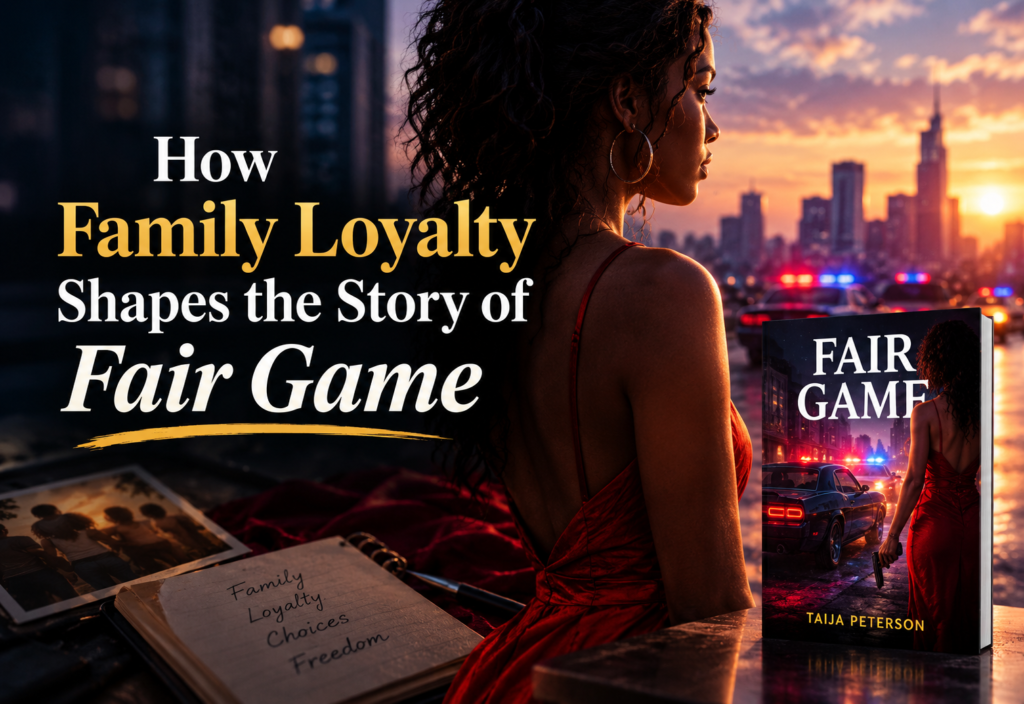
Family loyalty can be one of the strongest forces in a person’s life. It can bring people together, inspire sacrifice, and create a sense of belonging. But when trust is broken, loyalty can also become complicated, forcing people to choose between protecting the people they love and standing up for what they believe is right.
In Fair Game, author Taija Peterson explores the complicated nature of family relationships through a story filled with betrayal, greed, envy, revenge, and emotional conflict. The novel shows how family connections can influence decisions and shape the way characters respond when their relationships are put under pressure.
The Meaning of Family Loyalty
Family loyalty often means standing beside the people closest to us, especially during difficult moments. However, loyalty is not always simple. Family members can have different motivations, expectations, and secrets that affect their relationships.
Fair Game explores this complexity by placing family relationships at the heart of its story. The characters are not simply dealing with external challenges; they are also dealing with emotions and conflicts that come from within their own relationships.
This makes the story more personal and emotionally engaging for readers.
When Trust Is Put to the Test
Trust is an important part of any family relationship. When that trust is damaged, even strong relationships can begin to change.
One of the compelling aspects of Fair Game is the way betrayal affects the people involved. Betrayal can create anger, disappointment, and suspicion, making it difficult for characters to see their relationships in the same way again.
These emotional consequences help drive the story forward and encourage readers to think about what they might do if someone they trusted deeply betrayed them.
Loyalty vs. Revenge
Family loyalty can sometimes conflict with the desire for revenge. When someone feels hurt or betrayed, seeking justice may seem like the natural response. But revenge can create new problems and make existing conflicts even more complicated.
In Fair Game, revenge becomes part of a larger emotional struggle. The characters must navigate difficult choices while dealing with the consequences of their actions.
This tension gives the story an important question: How far would someone go to protect themselves or the people they love?
The Influence of Greed and Envy
Greed and envy can have a powerful impact on relationships. These emotions can create competition and resentment, especially when people believe they deserve something that belongs to someone else.
By incorporating these themes into a family-centered story, Fair Game demonstrates how personal ambitions can affect relationships. What begins as an individual desire can eventually influence an entire family.
This makes the conflicts in the novel feel more relatable because readers can recognize how complicated emotions can affect real-world relationships.
Why Family Conflict Makes Stories Powerful
Family-centered stories often connect with readers because they explore emotions that are universal. Love, loyalty, jealousy, disappointment, and forgiveness are experiences that many people understand.
A story becomes especially engaging when characters are forced to make difficult decisions involving the people closest to them. Readers become invested not only in what happens next but also in how those relationships will change.
That emotional connection is an important part of what makes Fair Game an interesting work of fiction.
A Story About More Than Family
While family loyalty is an important element of Fair Game, the story also explores broader human emotions and choices. Betrayal, greed, envy, and revenge can influence anyone, regardless of their relationship with others.
The novel uses these themes to explore how people respond when their trust is challenged and their relationships become complicated.
Rather than presenting relationships as simple, Fair Game highlights the gray areas that can exist between love, loyalty, self-interest, and revenge.
Final Thoughts
Family loyalty can be both a source of strength and a source of conflict. In Fair Game, Taija Peterson uses complicated relationships and powerful emotions to explore what happens when trust, loyalty, and personal interests collide.
For readers who enjoy fiction centered on family drama, betrayal, revenge, and emotional conflict, Fair Game offers a story that examines the difficult choices people can face when relationships are tested.
Ultimately, the novel reminds readers that loyalty is not always about simply standing by someone. Sometimes, it means confronting difficult truths and deciding what matters most when everything is at stake.